
Illness Tied to Contaminated Water
Inside a representative claim
This case study describes the kind of claim now being brought by families across the country who were exposed to contaminated water. It illustrates a pattern at the center of environmental litigation: people who drank, bathed in, or lived near water that, unknown to them, carried a harmful substance, and who developed serious illness years later.
In a typical claim, a person describes living, working, or serving somewhere for a period of years, trusting that the water was safe. Often there was no warning, and no taste or smell to signal danger. Long after the exposure ended, a diagnosis arrived, a cancer, an organ disease, a chronic condition, and only later did the person learn that the water in that place had been contaminated.
What turns a tragic diagnosis into a legal claim is the allegation at its core: that a company, facility, or other party released or allowed a hazardous substance to reach the water, knew or should have known of the danger, and failed to prevent the exposure or warn the people affected. Whether that can be proven is the subject of active litigation, and the parties responsible dispute it.
How the exposure is alleged to cause harm
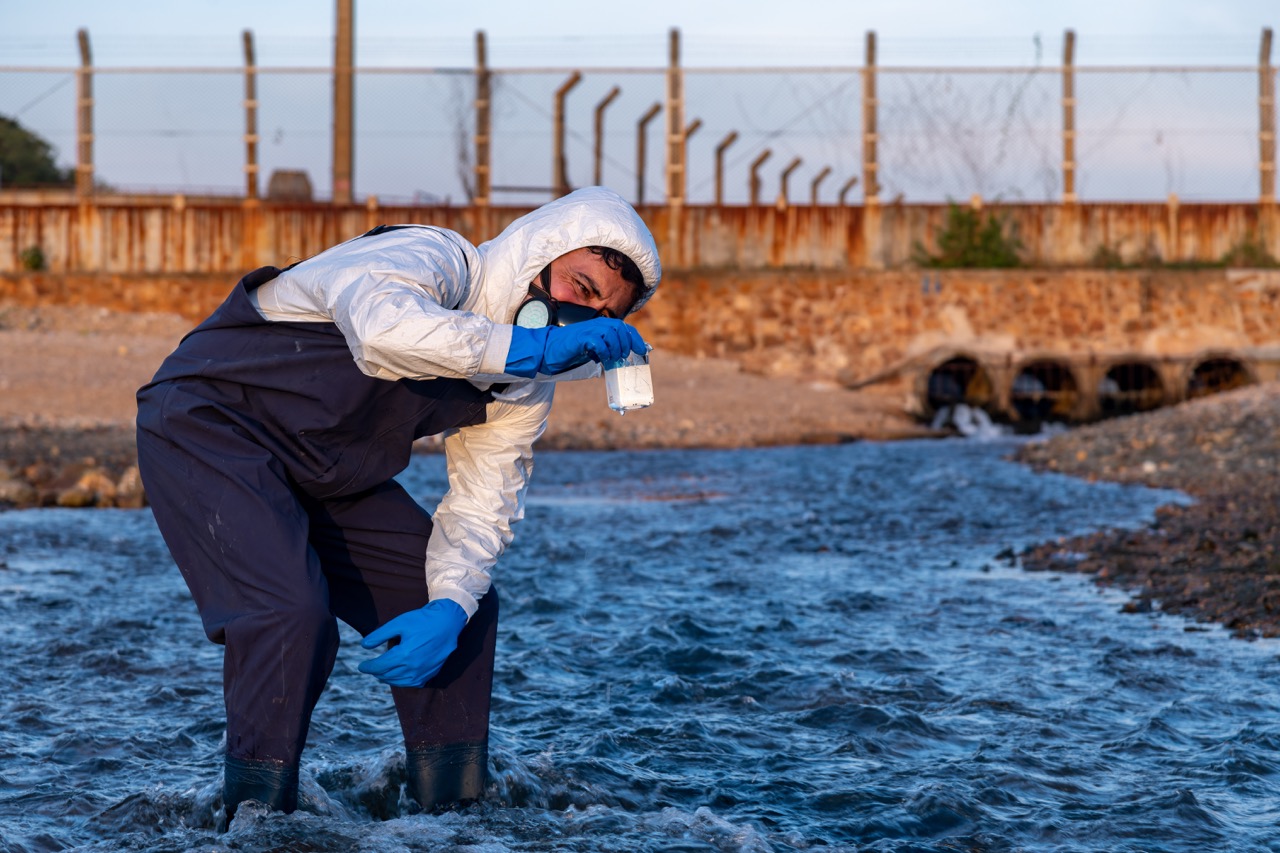
Toxic-water claims usually trace a path from a source to a person. A contaminant, an industrial chemical, a solvent, a heavy metal, or a class of compounds, is alleged to have entered the groundwater or supply through dumping, leaking storage, runoff, or inadequate treatment. From there it reached the people who drank or used the water, sometimes for years, often at levels they could not detect.
Plaintiffs allege that the party responsible had information, from its own monitoring, from regulators, or from the nature of its operations, indicating the water could be contaminated, and that it failed to stop the exposure or warn those at risk. Records cited in this kind of litigation are alleged to reflect awareness of the problem. The responsible parties dispute these characterizations, which remain to be tested in court.
The harm a family may describe
The illnesses in a contaminated-water case are often severe and slow to appear. A person may describe a cancer, kidney or liver disease, a reproductive or developmental harm, or another serious condition that emerged years after the exposure, sometimes long after they had moved away from the place where it occurred.
As with other claims, documentation tends to matter. Records showing where and when a person lived or worked, medical records establishing the diagnosis, and any evidence tying the location to a known contamination all help connect the alleged harm to the alleged source. A person who can establish their presence and their diagnosis is generally in a stronger position than one relying on memory alone.
Not every illness in an affected area is caused by the water. Some conditions have other explanations, and proving causation in these cases can be demanding. The litigation concerns the situation in which a person developed a serious, documented illness that scientific and legal evidence can reasonably connect to a contaminant they were exposed to.
The legal landscape
When the same contamination harms many people, the individual lawsuits are often consolidated so that common questions, what was released, who was responsible, and what they knew, can be litigated efficiently. This coordination, whether through a multidistrict litigation, a class proceeding, or a dedicated claims process, preserves each person's individual circumstances while sharing the heavy work of proving the source and the conduct.
Some contamination matters are also shaped by legislation or government action that creates a specific path to recovery for the people affected, sometimes with its own deadlines and requirements. These cases remain contested or are still developing: the allegations are disputed, eligibility rules can be specific, and outcomes depend on evidence and rulings still to come.
How a potential claim is evaluated
When a person contacts a firm about a contaminated-water illness, the first step is a conversation, not a courtroom. A lawyer will want to understand a basic timeline: where and when the exposure occurred, how long it lasted, what illness developed, when it was diagnosed, and whether there is documentation of both the presence and the diagnosis.
From there, eligibility turns on details a questionnaire cannot fully capture: the strength of the connection between the exposure and the illness, the records available, and the deadlines that apply. Every claim is governed by a statute of limitations, and some contamination cases have their own filing windows, so the clock may already be running. That is the practical reason people are encouraged to ask sooner rather than later, even when they are unsure whether they have a case.
How Shalley & Murray can help
Shalley & Murray approaches these matters the way the firm approaches every case: with a confidential, no-pressure consultation, a careful review of the specific facts, and honest guidance about whether and how to proceed. There is no fee to talk, and matters of this kind are typically handled on a contingency basis, meaning a person generally owes no attorney fee unless there is a recovery. If a claim is not viable, we will tell you.
If you developed a serious illness after exposure to water you believed was safe, the most useful next step is simply to reach out. A short conversation can tell you far more than any web page about whether your situation is one the law may be able to address. You can call our office at 866-540-6353 or use the contact page to request a confidential review.
Subscribe to our SMS List
